English




Pipe Processing Production Line | Tube Cutting & Bending & End Forming


What Is An Automated Pipe Processing Production Line?
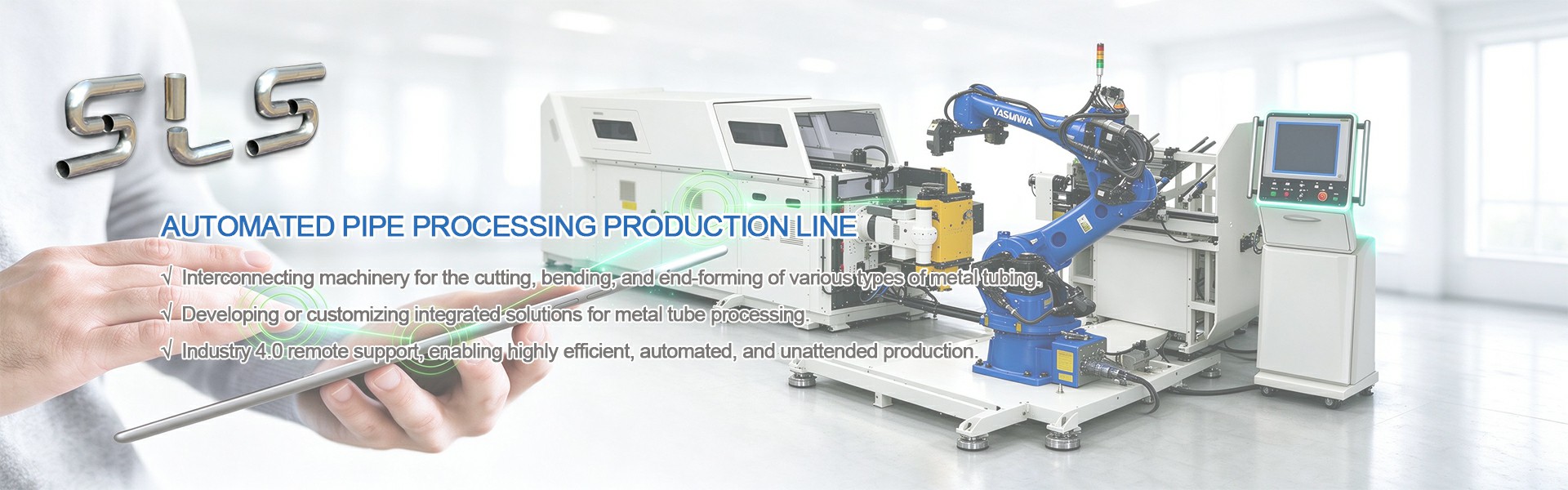
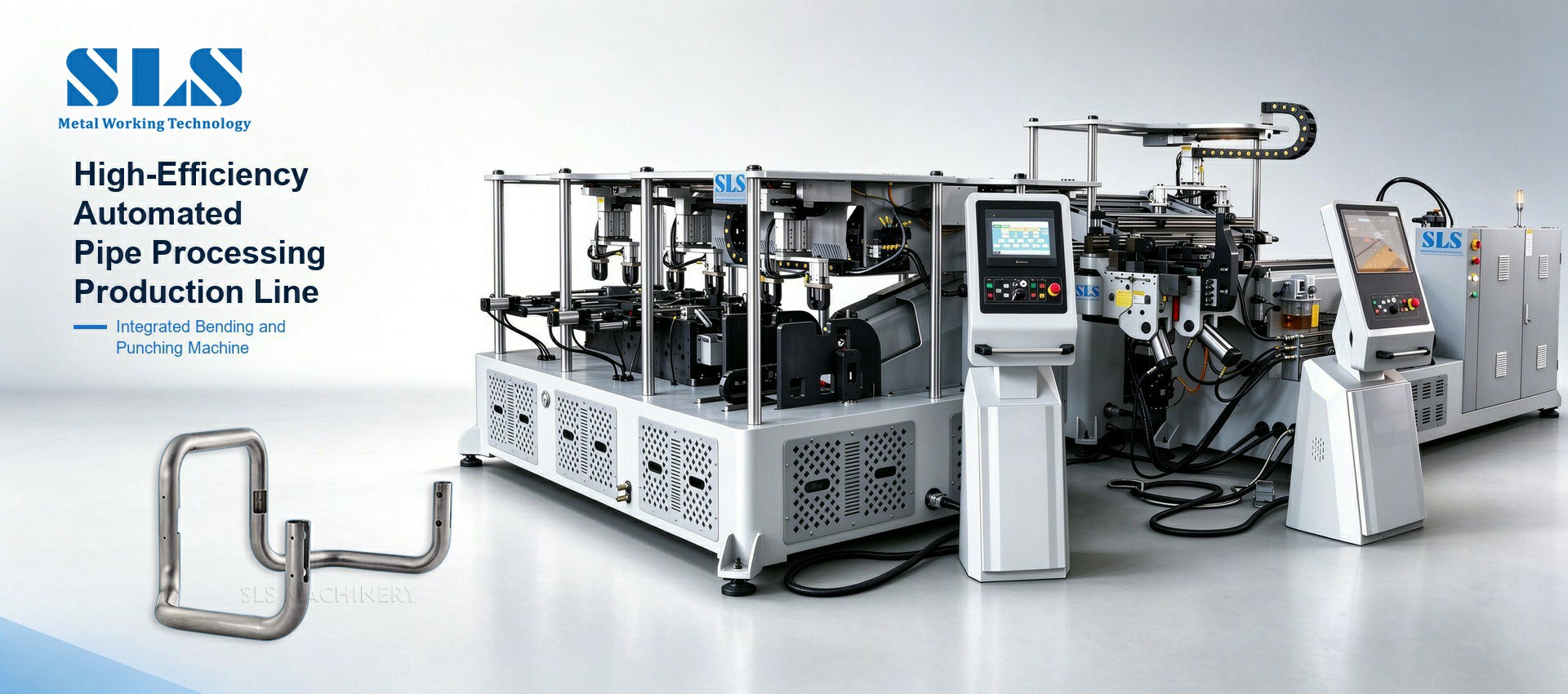
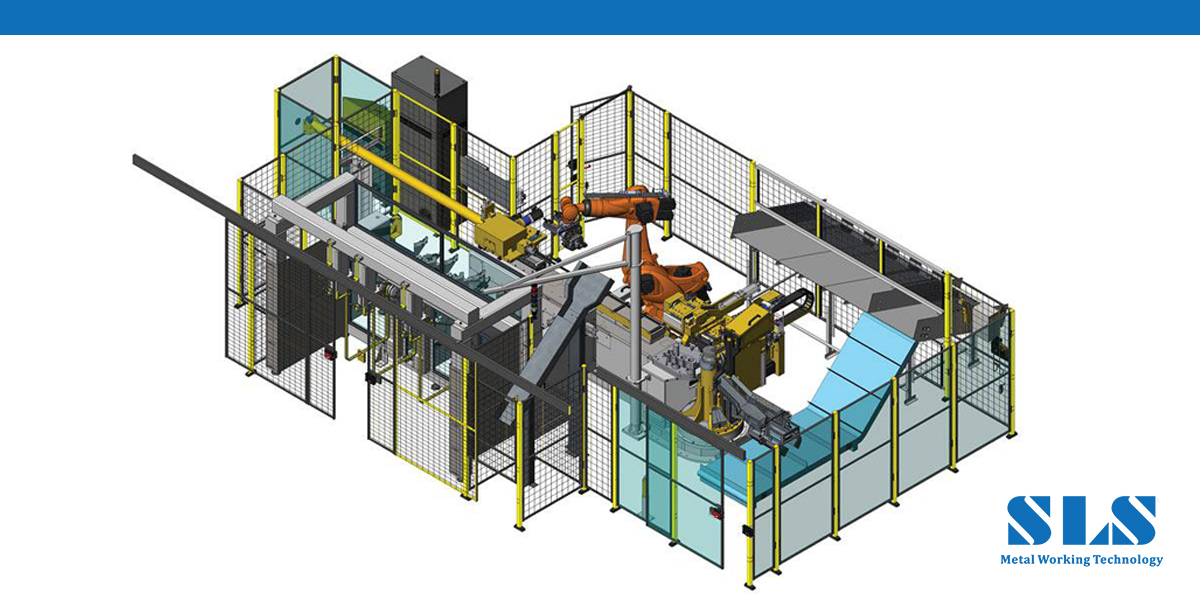
An automated pipe processing production line is, first of all, a connection between machines. It links tube cutting, tube bending, tube end forming, pipe punching, chamfering and deburring machines into one synchronized, computer-controlled workflow, so metal tube flows from one machine to the next without being carried by hand. The principle is simple: coordinate each machine so its output becomes the next machine’s input. After a tube bending production line finishes its bending cell, for example, the part is transferred automatically to the next machine, where a pipe punching production line pierces the required holes; a tube cutting production line supplies straight blanks upstream, and an end forming production line flares and beads the tube ends—all in one continuous, coordinated sequence.
SLS Machinery - We Are A Professional Manufacturer
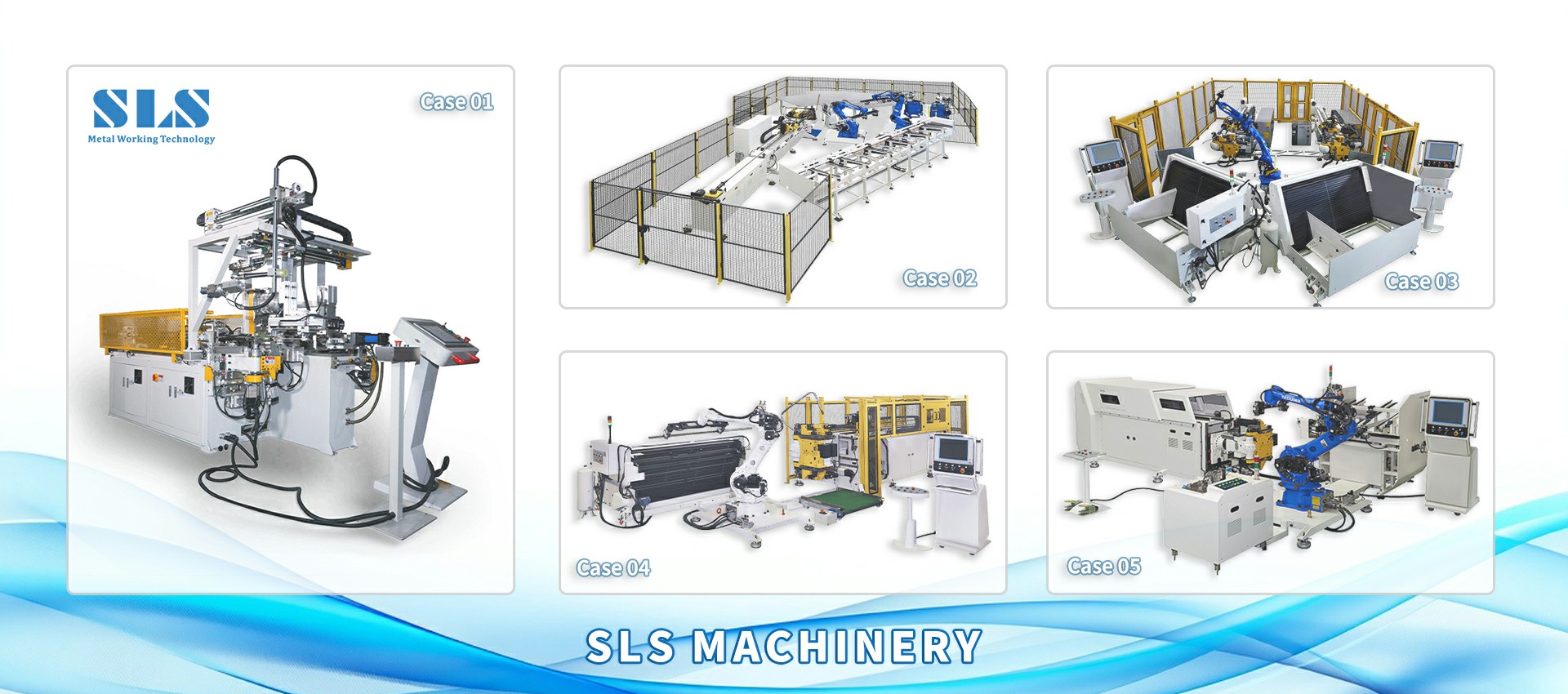
Different processes can be combined freely according to your needs, so the layout is never fixed. A pipe processing production line for furniture parts may combine cutting, bending and punching; an automotive line may add end forming and swaging; a general metalworking shop may start with two machines and add more later. The building blocks are familiar to any metalworking shop: a tube cutting machine produces straight blanks, a pipe bending machine shapes radii, an automatic pipe cutting machine feeds, clamps and cuts to programmed lengths, and a metal tube cutting machine handles larger diameters and thicker walls. Between stations, loading arms, conveyors and positioning tables move workpieces automatically, so the whole layout behaves like a single machine.
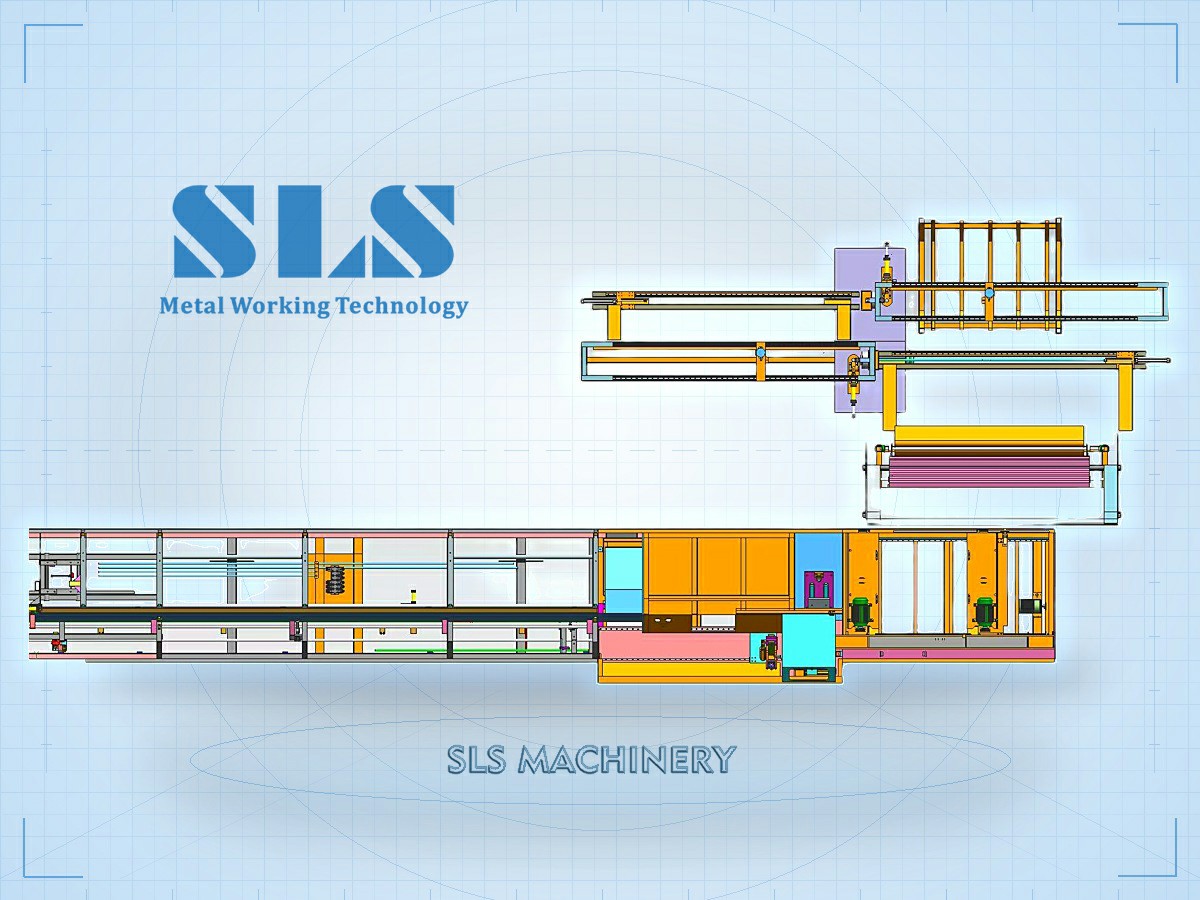
Case Study - Automated Pipe Cutting & Chamfering Production Line
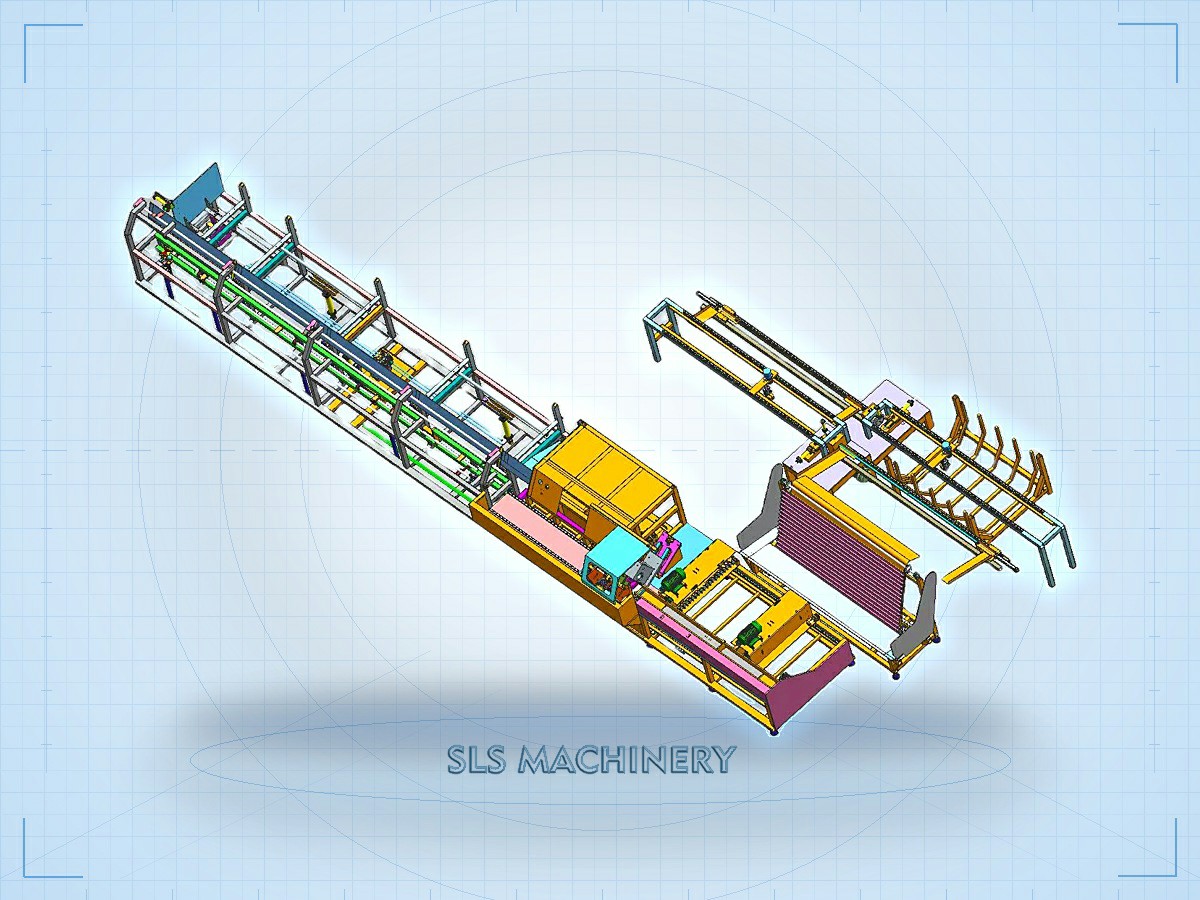
Design and Development – Part 1
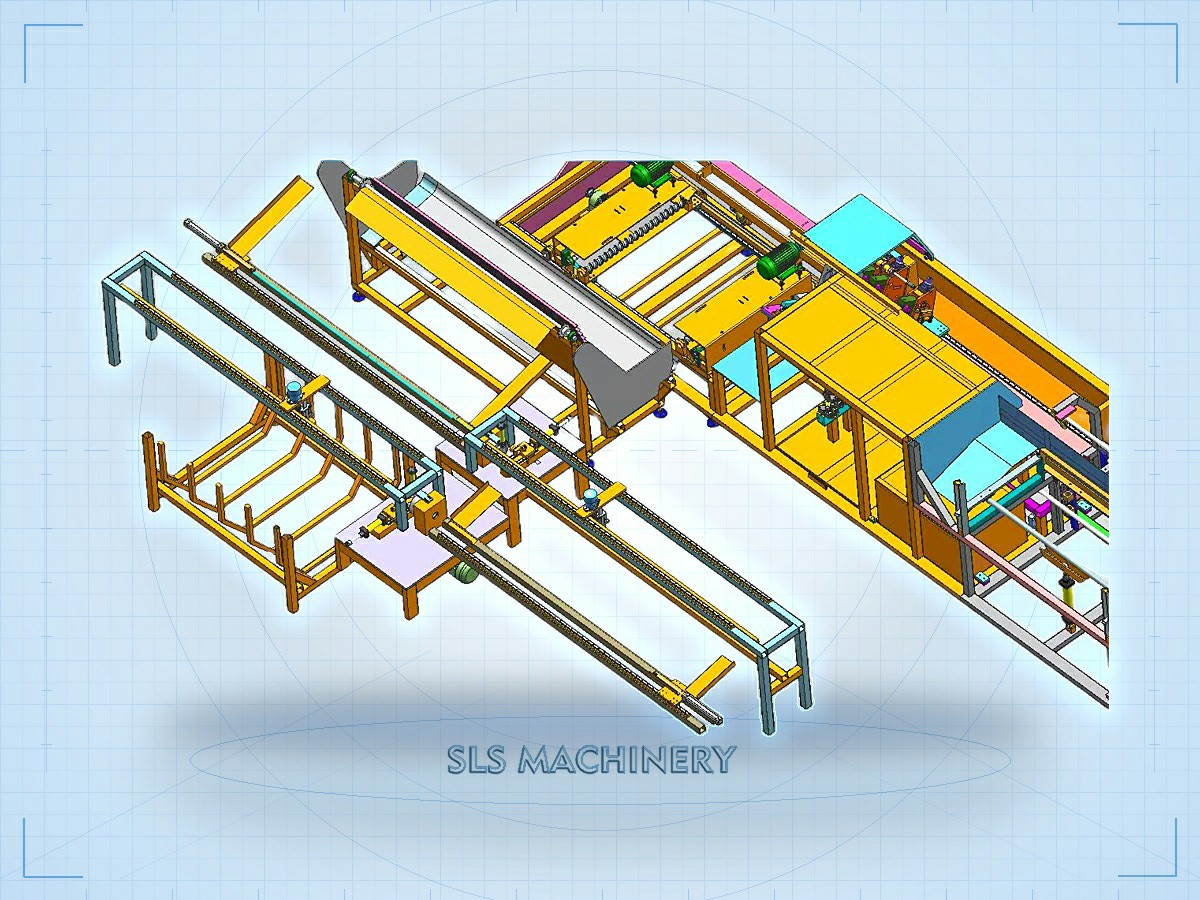
Design and Development – Part 2
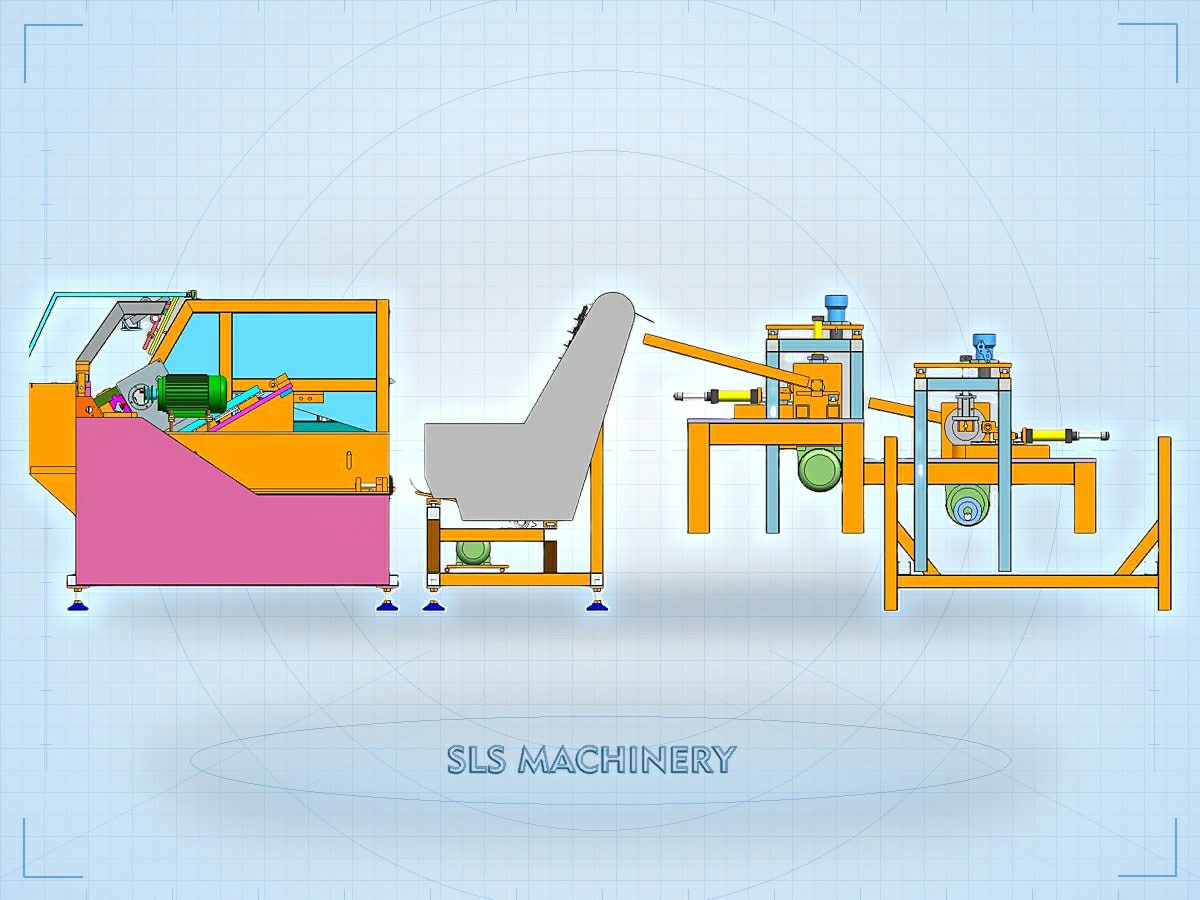
Design and Development – Part 3
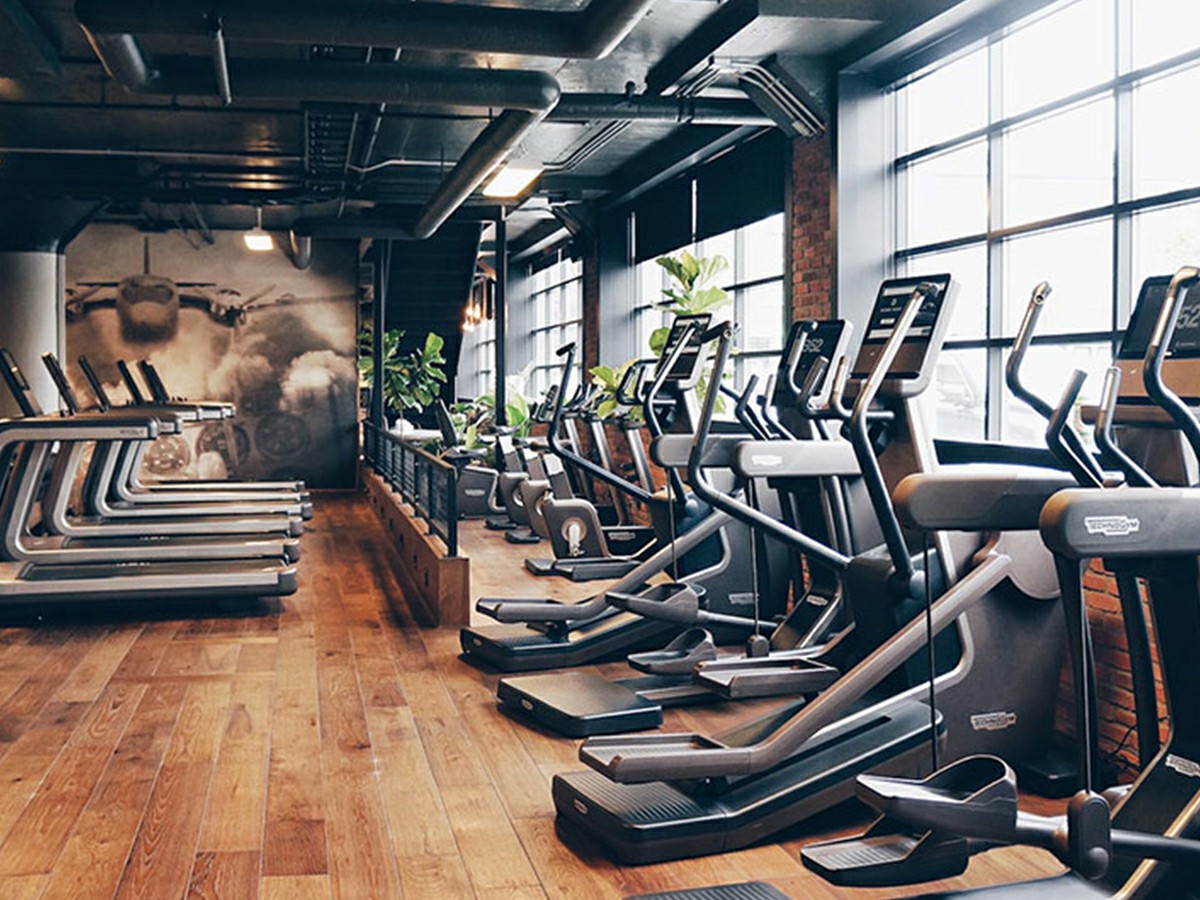
Fitness Equipment & Furniture Industry
Motorcycle & Automotive Parts Industry
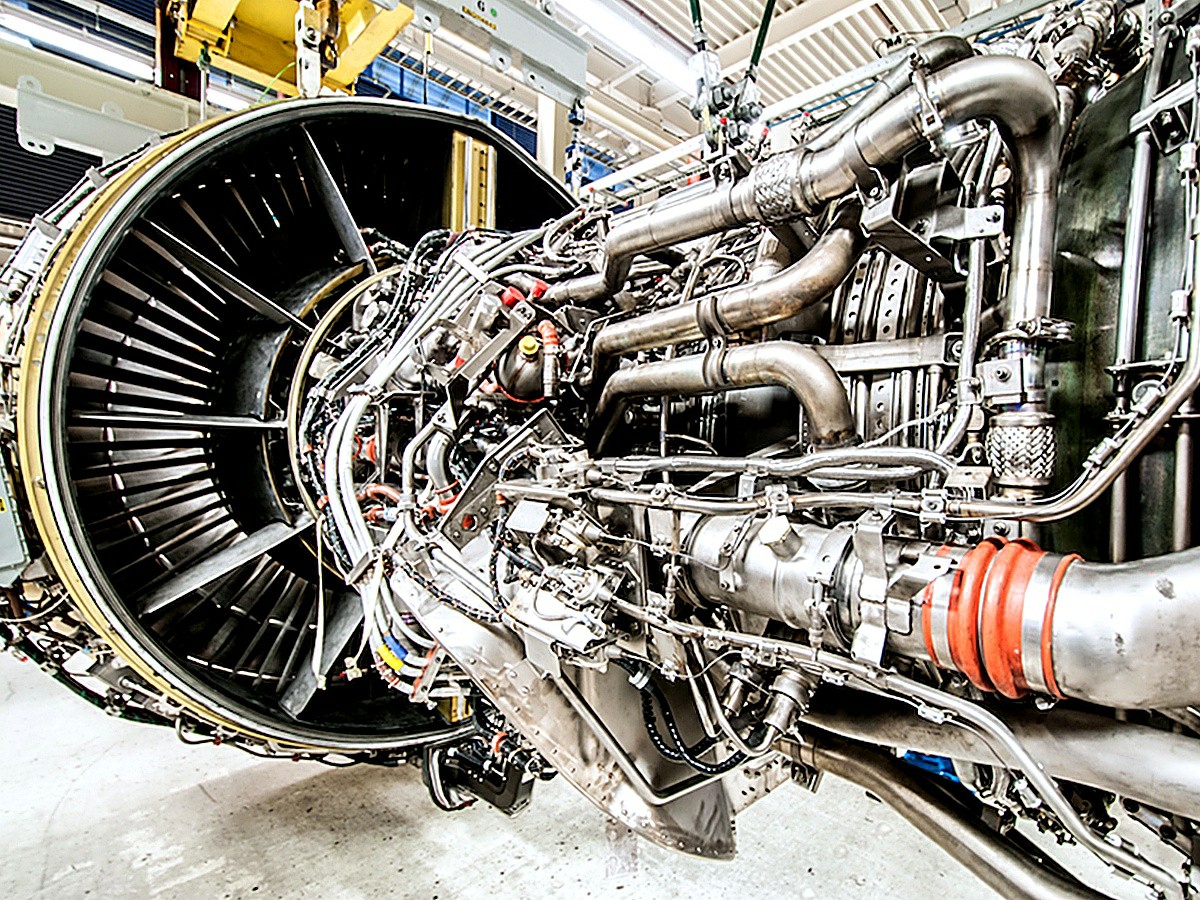
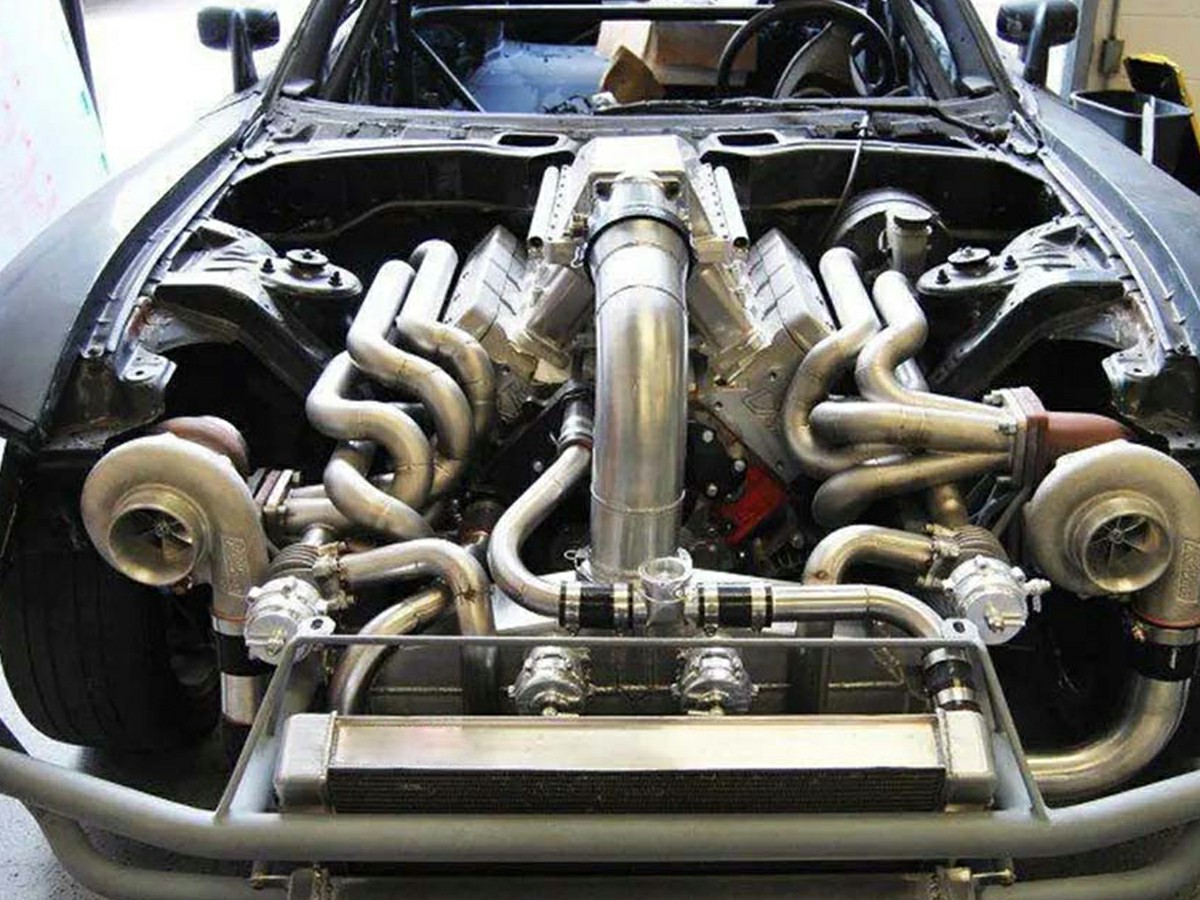
Engines – Marine & Aerospace Industry
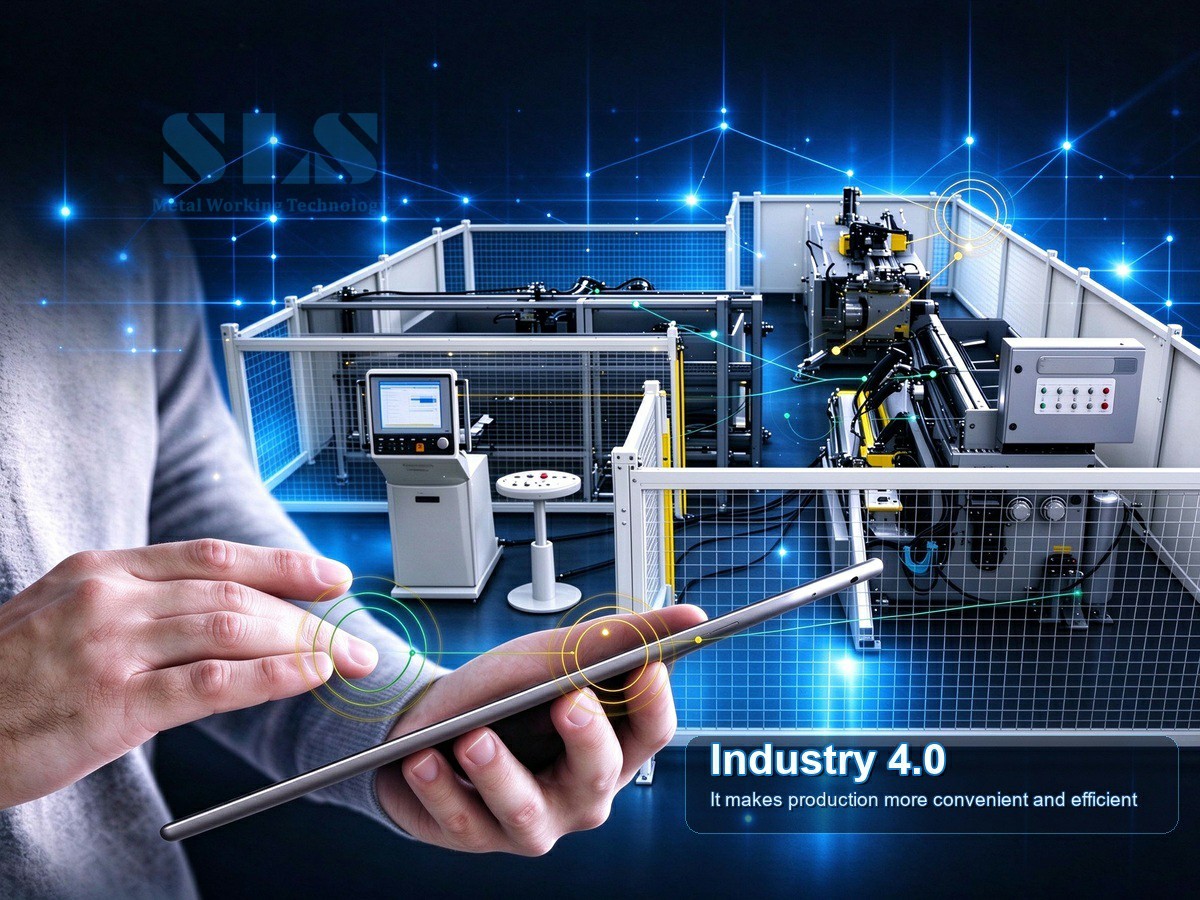
Industry 4.0 - Remote Monitoring and Unattended Production
Beyond bending, an automatic tube bending machine paired with a robot—often called robotic tube bending—picks, bends and stacks parts with no operator at the cell. A tube straightening machine upstream removes coil-origin curvature before cutting. With recipe storage, tool-change reminders and alarm notifications, a single supervisor can manage a whole shop, cutting labor cost while keeping quality consistent shift after shift.
Modern lines are built for Industry 4.0. Every machine is connected to a central controller and to the cloud, so managers can watch production, change parameters and run diagnostics from a phone or laptop—even from another country. An automated tube loading and bending process can run unattended through the night: a loader feeds raw tube, sensors verify position, the bending cell works through its program, and finished parts are sorted and counted automatically.
Contact Us
SLS | Recommended Products


FAQ - Frequently Asked Questions
1.Q: What is the difference between an automated pipe processing production line and standalone machines?
A: Standalone machines process one operation at a time and need an operator to move, set up and align every workpiece. A production line links those operations automatically: the tube is loaded once, and cutting, bending, end forming and punching happen in sequence without re-handling. That removes setup time, positioning errors and the labor cost between machines, and makes cycle time and quality predictable.
2.Q: Can the line be customized for different materials, diameters and tube shapes?
A: Yes. Lines are engineered around the part: round, square or rectangular tube; aluminum, steel, stainless steel, copper or brass; diameters from a few millimeters to several inches; thin-wall or thick-wall. Clamping, feeding and tooling are selected or developed for your specific material, and quick-change tooling lets one line switch between several products.
3.Q: How much labor can an automated line save?
A: The saving depends on the process. A manual station typically needs two to four operators; an automated line usually needs one supervisor who loads programs and monitors production remotely. Because clamping, positioning and inspection are automatic, reject rates also drop, which reduces rework further. For continuous production, labor savings alone often pay back the line within one to three years.
4.Q: What does Industry 4.0 mean for my factory in practice?
A: It means visibility and control. The controller records production counts, cycle times, alarms and quality data, and this information is available remotely through a network or cloud connection. You can start or pause a shift from a phone, receive alerts when tooling needs changing, and keep a digital record for every batch. Unattended night operation is possible because the system monitors itself and stops safely when something is wrong.
5.Q: What support does SLS Machinery provide after installation?
A: We cover the full lifecycle: line layout and design, machine integration, factory acceptance tests, installation guidance, operator training, remote diagnostics and spare parts supply. Our engineers remain available after commissioning, and program updates and tooling recommendations are provided as your products evolve. With one supplier for the whole line, service is faster and downtime is shorter.
Keep in Touch With Us
SLS Machinery, as a professional manufacturer of tube processing equipment, offers a comprehensive range of products including CNC tube bending machines, precision cold saw cutting machines, and multi-function tube end forming machines. We are committed to providing complete tube processing solutions for various industries. We cordially invite you to collaborate with us to access professional equipment selection advice and complimentary sample processing services, working together to enhance production efficiency...
Mob:+86 181 0015 0701 ( Whatsapp / Wechat - Same Number )