EnglishEnglish
Have you ever wondered how manufacturers achieve perfect bends in metal? The CNC bending machine is a game-changer in modern manufacturing.
This advanced technology offers unmatched precision and efficiency compared to traditional methods.
In this post, you’ll learn what a CNC bending machine is, its purpose, and its vital role in metalworking applications.
A CNC bending machine consists of several key components that work together to create precise bends in metal. Understanding these parts helps us appreciate how this advanced technology operates. Let’s explore the main components and their functions.
The CNC controller acts as the "brain" of the CNC bending machine. It interprets the programmed instructions and translates them into movements. This allows the machine to execute complex bending tasks with high accuracy. The controller manages the entire bending process, ensuring that each bend meets the specified parameters.
The pressure system is crucial for applying the force needed to bend materials. There are two main types:
● Hydraulic Systems: These systems generate a high output force, typically ranging from 1000 to 1750 kN. They are ideal for bending thick materials and provide consistent power throughout the bending process.
● Electric Systems: These offer faster response times and consume less energy. They are often preferred for thinner materials and applications requiring quick cycle times. Electric systems enhance precision and reduce operational costs.
The back gauge is another essential component. It features servo motors and ball screws, which allow for precise positioning of the material before bending. Accurate positioning is vital for achieving the desired angles and dimensions. The back gauge ensures that each piece is aligned correctly, minimizing errors in production.
Punch and die sets play a significant role in shaping the material. The design of these molds directly affects the quality of the bend. Proper mold design ensures that the desired bend shapes are achieved consistently. Here’s a quick look at their importance:
Component | Function |
Punch | Applies force to the material to create the bend. |
Die | Supports the material during bending, defining the bend angle. |
Feedback systems, such as optical scales, are vital for maintaining accuracy. They provide real-time monitoring of the machine’s position and movements. This closed-loop control system ensures that any deviations from the programmed instructions are corrected immediately, enhancing overall precision.
By integrating these components, a CNC bending machine achieves high efficiency and accuracy in metal fabrication. Each part contributes to the machine's ability to produce complex shapes consistently, making it an invaluable tool in modern manufacturing.
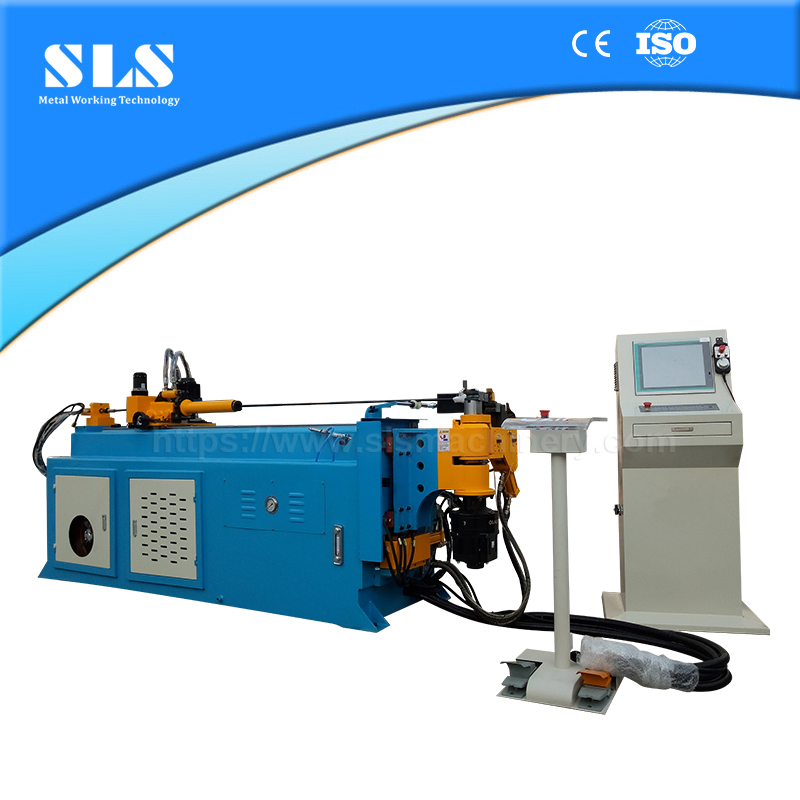
Understanding how a CNC bending machine works is essential for anyone interested in modern manufacturing. This process involves several key steps, each contributing to the machine's ability to produce precise bends in metal. Let’s break down the working principle and the steps involved in the CNC bending process.
The bending process begins with programming the machine and ends with executing the bend. Each step is crucial for ensuring accuracy and efficiency. Here’s a closer look at the entire process:
1. Programming the CNC Machine
2. Material Positioning
3. Executing the Bend
4. Precision Compensation and Reset
The first step involves programming the CNC machine. Operators input parameters such as angles and material thickness. This stage often includes importing CAD files, allowing for automatic data extraction. This capability streamlines the setup process and ensures that the machine is ready to produce the desired bends accurately.
Once the machine is programmed, the next step is material positioning. The back gauge plays a critical role here, aligning the material accurately before bending. Precise positioning is vital; even a small error can lead to significant inaccuracies in the final product. The back gauge adjusts to ensure that the material is correctly placed for the bending operation.
Now it’s time to execute the bend. The pressure system operates to apply force through the punch and die. Here’s how it works:
● Fast Descent: The machine quickly moves the punch down at speeds of 100-180 mm/s.
● Work Speed: Once in position, the punch moves at a slower speed of about 10 mm/s to execute the bend carefully.
This interaction between the punch and die shapes the material, creating the desired angle and curvature.
After the bend is executed, precision compensation systems come into play. These systems, like the V-axis, help adjust for any minor discrepancies during the bending process. Resetting the machine after each bend is crucial for repeatability in production. This ensures that every piece produced meets the same specifications, maintaining quality across batches.
With these steps, the CNC bending machine transforms raw materials into precisely bent components. Each phase is designed to enhance efficiency while ensuring high-quality results in metal fabrication.
CNC bending machines have transformed the manufacturing landscape, offering numerous benefits that enhance productivity and quality. These machines are not just tools; they represent a significant advancement in how we shape metal. Let’s explore the key advantages of using CNC bending machines in modern fabrication.
One of the standout features of CNC bending machines is their ability to deliver high precision and repeatability. Unlike manual bending, which can be prone to human error, CNC technology ensures that each bend is executed to exact specifications. This precision is crucial, especially in industries where tolerances are tight. For example, CNC machines can achieve batch errors as low as ±0.02 mm, making them ideal for producing components that require exact dimensions.
CNC bending machines significantly increase efficiency in the production process. They automate many tasks that would otherwise require manual labor, reducing the time needed to produce each component. This automation not only speeds up production but also lowers labor costs. Fewer operators are needed on the shop floor, allowing companies to allocate resources more effectively. Here’s a quick look at how CNC machines enhance efficiency:
Efficiency Aspect | Benefits |
Production Speed | Faster cycle times |
Labor Requirements | Fewer operators needed |
Setup Time | Quick programming and adjustments |
Another significant advantage is the flexibility these machines offer. CNC bending machines can produce a wide variety of complex shapes and angles with ease. This versatility allows manufacturers to adapt quickly to changing design requirements or customer demands. Whether it's intricate curves or sharp angles, CNC bending machines can handle it all, making them invaluable in custom fabrication projects.
Safety is always a priority in manufacturing environments. CNC bending machines come equipped with advanced safety features that greatly reduce the risk of accidents. Unlike manual machines, which can expose operators to various hazards, CNC machines have built-in safeguards, such as automatic shutoff systems and protective enclosures. These features help create a safer work environment, allowing operators to focus on their tasks without constant worry about safety risks.
When it comes to batch production, consistency is key. CNC bending machines excel in maintaining uniformity across multiple pieces. This consistency is vital for industries that rely on large quantities of identical parts. The precision of CNC technology ensures that each piece produced meets the same high standards, minimizing the risk of defects and enhancing overall product quality.
In summary, the advantages of CNC bending machines are clear. They provide high precision, boost efficiency, offer flexibility for complex designs, improve safety, and ensure consistency in production. As a result, they have become essential tools in modern manufacturing.
CNC bending machines come in various types, each designed to meet specific needs in metal fabrication. Understanding the different types can help manufacturers choose the right machine for their applications. Let’s dive into the main categories of CNC bending machines based on their application, automation level, and drive mechanism.
CNC bending machines are tailored for different applications, making them versatile tools in manufacturing. Here are the two primary types based on their specific uses:
These machines are ideal for bending sheet metal, commonly used in producing appliance casings and architectural components. They allow for precise bends in various sheet thicknesses, ensuring that the final product meets the required specifications. This type of machine is widely used in industries such as automotive, HVAC, and construction.
Designed for bending pipes, these machines accommodate various pipe diameters, typically ranging from 8 to 50 mm OD. Pipe bending machines are essential for industries like plumbing, construction, and manufacturing, where precise bends in piping are critical for functionality and aesthetics.
The automation level of a CNC bending machine can significantly impact its efficiency and ease of use. Here’s a breakdown of the types based on automation:
Automation Level | Description |
Basic Models (4+1 Axis) | These machines provide basic bending capabilities, suitable for simple tasks. |
Advanced Models (6+V/8+V Axis) | Offer enhanced precision and flexibility, allowing for more complex bends. |
Fully Automated Systems | Incorporate robotic loading and unloading, maximizing productivity and minimizing manual intervention. |
With advancements in technology, fully automated systems are becoming increasingly popular, allowing manufacturers to streamline their operations and reduce labor costs.
The drive mechanism of a CNC bending machine influences its performance and suitability for different materials. Here are the primary types:
Hydraulic machines are known for their ability to handle thick and hard materials. They use hydraulic pressure to create bends, making them suitable for heavy-duty applications. Industries that require robust components often rely on hydraulic bending machines for their strength and reliability.
In contrast, electric bending machines excel at handling thin sheets and precision parts. They provide high accuracy and are generally more efficient for lighter materials. Electric machines are preferred in applications where precision is paramount, such as in the aerospace and electronics industries.
Type | Application | Automation Level | Drive Mechanism |
Sheet Metal Bending | Appliance casings | Basic to Advanced | Hydraulic or Electric |
Pipe Bending | Plumbing and construction | Basic to Fully Automated | Hydraulic |
CNC bending machines are essential tools in modern manufacturing, each type offering unique benefits tailored to specific applications. Whether bending sheet metal or pipes, understanding these categories helps manufacturers optimize their production processes.
CNC bending machines play a crucial role in various industries, providing precision and efficiency in metal fabrication. Understanding where these machines are commonly used can highlight their versatility and importance in modern manufacturing. Let's explore the industries that utilize CNC bending technology and some specific products created through this process.
CNC bending machines are essential in several key industries, each benefiting from the precision and reliability these machines offer. Here are some of the most prominent sectors:
● Automotive: In the automotive industry, CNC bending machines are used to create components such as brackets, frames, and exhaust systems. These parts require high precision to ensure they fit perfectly within vehicles.
● Aerospace: The aerospace sector demands lightweight yet strong materials. CNC bending machines help produce parts like fuselage frames and support structures, where accuracy is critical for safety and performance.
● Construction: In construction, these machines are used to fabricate structural components, such as beams and columns. The ability to bend metal accurately makes it easier to create complex designs that meet architectural needs.
CNC bending technology enables the production of various products across different applications. Some examples include:
Product Type | Description |
Brackets | Used for mounting and supporting various structures. |
Frames | Essential for providing structural integrity in products. |
Enclosures | Protect sensitive equipment in industrial settings. |
These products demonstrate the capabilities of CNC bending machines in creating functional and durable items.
CNC bending machines are not limited to industrial applications; they also find use in everyday products. Here are a few examples:
● Furniture: In the furniture industry, CNC bending machines help create stylish and functional pieces, such as curved metal frames for chairs and tables. The precision of these machines allows for unique designs that enhance aesthetic appeal.
● Bicycle Frames: The cycling industry relies on CNC bending to manufacture lightweight and strong bicycle frames. These frames require precise bends to ensure they are both durable and comfortable for riders.
● Automotive Piping: In automotive applications, CNC bending is vital for producing piping systems that fit seamlessly within vehicles. These pipes must be bent accurately to maintain performance and efficiency.
CNC bending machines are integral to various industries, enabling the production of a wide range of products. Their ability to deliver precision and efficiency makes them invaluable in today’s manufacturing landscape.
Keeping a CNC bending machine in top condition is essential for ensuring optimal performance and longevity. Regular maintenance not only prevents breakdowns but also enhances the machine's efficiency. Let’s dive into effective maintenance strategies, common issues, and troubleshooting tips to keep your CNC bending machine running smoothly.
To maintain a CNC bending machine effectively, it's crucial to follow a structured routine. Here are some key maintenance practices:
● Regular Lubrication: Lubricate moving parts regularly to reduce friction and wear. This helps in maintaining smooth operation and extends the life of the machine.
● Calibration: Regularly calibrate the machine to ensure accurate bending. Calibration checks should include measuring the angle of bends and adjusting settings as necessary.
● Software Updates: Keep the machine's software up to date. This can improve functionality and fix bugs, ensuring the machine operates at peak performance.
Here’s a quick reference table for regular maintenance tasks:
Maintenance Task | Frequency | Purpose |
Lubrication | Weekly | Reduce wear and tear |
Calibration | Monthly | Ensure accuracy |
Software Updates | As needed | Improve performance |
Even with proper maintenance, issues can arise. Being proactive about troubleshooting can save time and reduce downtime. Here are some common problems and tips for addressing them:
● Precision Errors: If you notice that bends are not accurate, first check the calibration settings. Misalignment or incorrect parameters can lead to precision issues. Adjust the calibration and run test bends to verify accuracy.
● Mechanical Failures: Mechanical parts may wear out over time. If you hear unusual noises or experience jerky movements, inspect the components for damage. Replace worn parts promptly to avoid further complications.
Implementing quick-change systems is vital for minimizing downtime during maintenance and repairs. These systems allow operators to switch out tools or components rapidly, ensuring that production can resume without significant delays. By reducing the time spent on maintenance tasks, manufacturers can maintain higher productivity levels.
Incorporating these maintenance practices and troubleshooting tips will help keep your CNC bending machine operating efficiently. Regular attention to these areas not only enhances performance but also extends the machine's lifespan, making it a valuable asset in any manufacturing environment.
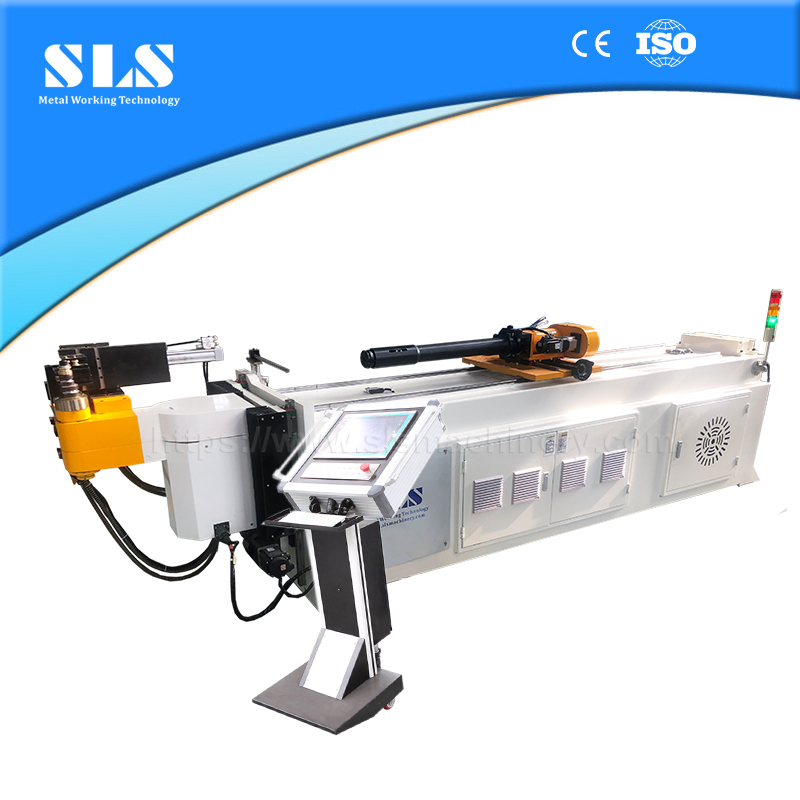
As technology continues to evolve, CNC bending machines are at the forefront of innovation in manufacturing. Emerging trends are shaping the future of these machines, enhancing their capabilities and efficiency. Let’s explore some of the most significant trends that are transforming CNC bending technology.
The landscape of CNC bending technology is changing rapidly. Here are some key trends to watch:
● Integration of AI and Machine Learning: Artificial Intelligence (AI) and machine learning are becoming integral to CNC bending machines. These technologies enable predictive maintenance, allowing machines to anticipate issues before they occur. By analyzing data from machine operations, AI can suggest optimal maintenance schedules, reducing downtime and repair costs.
● Advances in Automation and Robotics: Automation is revolutionizing the manufacturing process. New robotics technology improves the efficiency of CNC bending machines by streamlining operations. Automated systems can handle material loading, bending, and unloading, minimizing human intervention and increasing production speed.
Trend | Description |
AI Integration | Predictive maintenance through data analysis |
Robotics Automation | Streamlined operations for faster production |
Sustainability is a growing concern in manufacturing. CNC bending machines are increasingly designed with energy efficiency in mind. Manufacturers are focusing on reducing energy consumption and waste. This includes optimizing machine operations to use less power and incorporating eco-friendly materials in production processes.
● Energy-efficient designs: New models are being developed to consume less energy while maintaining high performance. This not only reduces operational costs but also aligns with global sustainability goals.
Compensation technologies are essential for ensuring precision in bending processes. Recent advancements are leading to more sophisticated systems that can automatically adjust for material variations and environmental factors. These improvements help maintain accuracy and reduce scrap rates, which is crucial for cost-effectiveness.
By keeping an eye on these trends, manufacturers can leverage the latest technologies in CNC bending machines to enhance productivity, reduce costs, and contribute to a more sustainable future. The integration of AI, automation, and advanced compensation systems marks an exciting era for the industry, promising greater efficiency and precision in metal fabrication.
CNC bending machines play a crucial role in modern manufacturing. They enhance precision and efficiency in metal fabrication.
As technology advances, the future of CNC bending looks promising. Innovations like AI, automation, and sustainability will drive improvements.
These trends will make CNC bending machines even more vital for manufacturers. Embracing these changes ensures a competitive edge in the industry.
A: CNC bending machines can bend various materials, including steel, aluminum, brass, and plastic.
A: CNC programming involves creating a code that guides the machine's movements and processes for accurate bending.
A: Cycle times vary based on complexity but generally range from a few seconds to several minutes per part.
A: Yes, CNC bending machines are versatile and can efficiently handle both small and large production runs.
A: Operators should wear protective gear, ensure proper machine setup, and follow safety protocols to prevent accidents.